
Journal
Slow Fashion: How to shop sustainably
What should you think through before buying new clothes? The article looks at the origin of a garment, the conditions it was made under and choosing pieces you will really wear together.
The fashion industry is one of the most polluting industries in the world. It is responsible for enormous water consumption, greenhouse gas emissions, chemical pollution of the environment and the creation of waste. All these impacts have one cause – Fast Fashion, which we know as an endless supply of cheap clothing made in the third world at the lowest possible cost and imported into the Western world for what is often single-use consumption. The opposite of this trend is Slow Fashion. An increasingly popular movement that seeks to reduce the problems of the textile industry by supporting sustainable and ethical clothing companies.
What is slow fashion?
Slow fashion is what we call an approach to dressing that is essentially the opposite of fast fashion. It is not about the fullest possible wardrobes and seasonal shopping in the sales. It focuses on choosing high-quality clothing that will last its wearer countless seasons and can be combined for many occasions. Supporters of slow fashion also care what raw materials the clothing was made from, and whether the seamstresses who sewed the garments had good working conditions and were paid decently for their work.
We described the main problems of fast fashion in the article: Fast fashion vs. sustainable fashion.
Sustainable fashion
One of the key principles of slow fashion is the use of sustainable materials. These are produced in a way that minimises the impact on the environment. They include, for example:
- Regenerated fibres: made from recycled materials such as waste wood or plastic bottles.
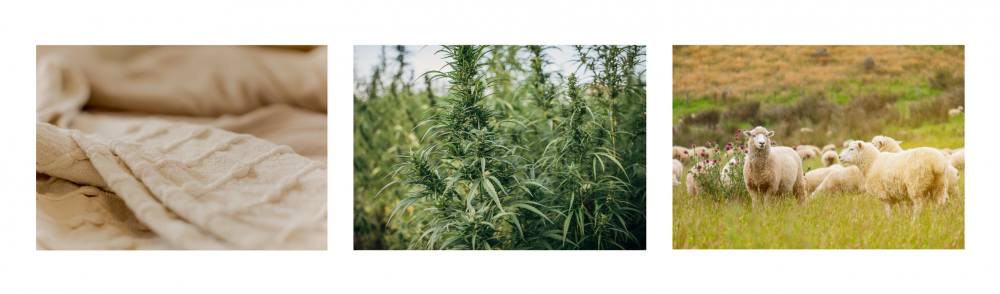
- Natural fibres: from locally grown crops; in Central Europe these are linen, hemp and wool. They are also biodegradable and need less water to produce than synthetic fibres.
- Organic cotton: cotton grown without the use of synthetic pesticides and fertilisers.
You can find out how we create fashion sustainably and locally at the LADA atelier in the article about our work.

Ethical fashion
This is clothing made under ethical working conditions throughout the supply chain. That includes ensuring fair wages, safe working conditions and the protection of basic human rights. Most clothing is sewn in third-world countries tens of thousands of kilometres from where it is sold to the end customer. The managers of fashion companies are thus unable to check whether the workers in the factories are adults working no more than 12 hours for a decent wage. Ethical fashion covers companies that can prove fair treatment of textile workers throughout the production chain.
Zero waste
Another aspect of slow fashion is a lifestyle that seeks to minimise the production of waste. The aim is for waste to be sorted and recycled, or not created at all. It applies to all areas of life, including food, housing and the consumption of goods and services.

How to live as sustainably as possible?
When shopping
- Check where the product was made. When a Swedish brand's dress has a MADE IN TURKEY label, it is not going to be very sustainable.
- Find out about a fashion brand's practices before buying its products and read independent reviews of it.
- Check whether clothing companies state the origin of their raw materials and the ethical labour standards in their workshops.
- Look for independent certificates of quality and ecological standards.
- Buy quality clothes that will serve you for a long time.
- Buy second-hand clothing.
- Before buying something, ask yourself whether you really need it – reduce your consumption of clothing.
With the clothes you already have at home
- Wash at a lower temperature and use gentle detergents.
- Do not dry clothes in a tumble dryer.
- Repair minor faults on clothes (with quality pieces, it is well worth it).
- Sell or give away the pieces you no longer wear.
- Put things that are no longer wearable to another use – re-sew them, use them as a tea towel, a cleaning cloth or a make-up pad.